
Keeping lubricating oil clean is essential for protecting engines, reducing component wear and maintaining reliable operation. Whether operating marine vessels, power generation equipment or industrial machinery, contamination within the lubrication system can lead to expensive maintenance and unexpected downtime. Most engines rely on full-flow oil filters as their primary defence against contamination. While these filters play a vital role in protecting engine components, they are not necessarily designed to remove every harmful particle circulating within the oil. This is where bypass oil filtration can provide additional protection.
By combining conventional full-flow filtration with advanced bypass oil filtration, operators can achieve more effective contamination control, potentially extending lubricant service life and reducing maintenance costs.
What is a Full-Flow Oil Filter?
A full-flow oil filter is installed on most engines where its purpose is to remove potentially damaging particles from lubricating oil before the oil reaches critical components. During operation, oil circulates through the filter, where contaminants are captured by filtration media. The filtered oil then continues through the lubrication system, protecting bearings, gears and other moving surfaces.
Because the engine depends on a continuous supply of oil, full-flow filters must balance effective particle removal with maintaining sufficient oil flow. This means the filtration media cannot be excessively restrictive, even when finer filtration might improve oil cleanliness. Three important characteristics influence full-flow filter performance:
Filtration efficiency: How effectively the filter captures particles of different sizes.
Contaminant capacity: The amount of debris the filter can retain before servicing or replacement.
Flow restriction: The resistance created as oil passes through the filtration media.
Why is Lubricating Oil Contamination a Problem?
Lubricating oil performs several essential functions, including reducing friction, controlling temperature and protecting moving components against wear. However, contaminants can enter the lubrication system through normal operation, environmental exposure and maintenance activities. Common sources include:
Combustion by-products: Diesel engines generate soot and carbon particles that can enter the lubricating oil.
Component wear: Metallic particles released from bearings, gears and other surfaces may circulate throughout the system.
External contamination: Dust, dirt and moisture can enter through seals, breathers or lubricant handling.
Oil degradation: Oxidation and prolonged operation can contribute to sludge and deposit formation.
If these contaminants accumulate, they can increase abrasive wear, affect lubricant performance and contribute to premature equipment failure. Maintaining oil cleanliness is therefore an important part of preventative engine maintenance.
What are the Limitations of Full-Flow Oil Filters?
Although full-flow filters provide essential protection, their primary responsibility is to maintain a continuous supply of oil while capturing damaging contamination. Very fine filtration media can create additional resistance, potentially restricting the flow required for adequate lubrication. Consequently, some smaller particles may pass through the filter and remain suspended within the oil.
As contamination accumulates inside the filter element, resistance to oil flow can also increase. Many full-flow filtration systems incorporate a pressure-relief bypass valve designed to protect the engine against oil starvation. If the pressure difference across the filter becomes excessive, the valve may open, allowing oil to bypass the filter element. Although this maintains lubrication, some oil may reach engine components without passing through the filtration media. This highlights the importance of maintaining full-flow filters and controlling contamination throughout the lubrication system.
What Are the Different Types of Full-Flow Oil Filters?
Several full-flow filtration technologies are available, each offering different maintenance and operational characteristics.
Spin-On Oil Filters
Spin-on filters are commonly used in automotive, commercial and industrial engines. They contain filtration media within a replaceable metal housing, allowing the complete unit to be changed during servicing. Their compact design and straightforward maintenance make them suitable for many applications, although replacing the entire housing generates consumable waste.
Cartridge Oil Filters
Cartridge filters use a removable filtration element housed within a reusable casing. During maintenance, the contaminated element is replaced while the housing remains in service. This can reduce the amount of material discarded compared with some spin-on designs. However, cartridge replacement frequency depends on contamination levels, filter capacity and operating conditions.
Automatic Backflushing Filters
Automatic backflushing filters are commonly used in larger industrial and marine lubrication systems. These systems use reusable filtration elements that are periodically cleaned through a reverse-flow process. Accumulated contaminants are dislodged from the filtration surfaces, helping maintain filtration performance without frequent manual element replacement. Although automatic backflushing reduces consumable filter requirements, separated contamination must still be managed appropriately.
Centrifugal filtration can provide an additional method of removing fine particles from the lubricating oil.
What is Bypass Oil FIltration?
Bypass oil filtration provides supplementary cleaning alongside the engine’s primary full-flow filter. Rather than processing the entire lubrication flow, a bypass system continuously treats a smaller proportion of the oil. This allows the secondary filtration system to focus on removing fine contamination without compromising the main lubrication circuit.
Over time, repeated circulation through the bypass system can reduce the concentration of particles that conventional full-flow filters may not capture effectively. Bypass filtration is particularly beneficial in applications where soot, sludge and fine metallic particles contribute to lubricant contamination.
How Do Centrifugal Bypass Oil Filters Work?
Centrifugal bypass filters use rotational force to separate solid contaminants from lubricating oil. Unlike conventional filters, which rely on filtration media to capture particles, centrifuges separate contaminants according to differences in density.
Contaminated oil enters a rapidly rotating bowl, where centrifugal force drives denser particles towards the outer wall. Soot, sludge and metallic particles accumulate within the bowl, while the processed oil returns to the lubrication system. Because centrifugal filtration does not require disposable fine-filter cartridges, collected contamination can be removed during servicing. The effectiveness of centrifugal separation depends on factors including rotational speed, oil viscosity, flow rate and internal bowl design.
Why Combine Full-Flow and Centrifugal Bypass Filtration?
Full-flow and centrifugal bypass filters perform different but complementary functions. The full-flow filter provides immediate protection by capturing particles from the oil supplied to engine components. Meanwhile, the centrifugal bypass filter continuously reduces the concentration of fine contamination circulating throughout the system. Together, they offer several potential advantages.
- Improved oil cleanliness: Supplementary filtration helps remove fine soot, sludge and other contaminants.
- Reduced engine wear: Lower particle concentrations can reduce exposure to abrasive contamination.
- Extended primary filter life: Removing additional contaminants may reduce the burden placed on conventional filtration elements.
- Longer oil service intervals: Cleaner oil can support extended lubricant use where confirmed by oil analysis and manufacturer recommendations.
- Lower maintenance costs: Reduced contamination-related wear and fewer unnecessary filter changes can contribute to lower operating expenditure.
- Reduced environmental impact: Longer lubricant and filter service intervals may decrease waste oil and consumable filter disposal.
Advanced Bypass Filtration with IOW Group
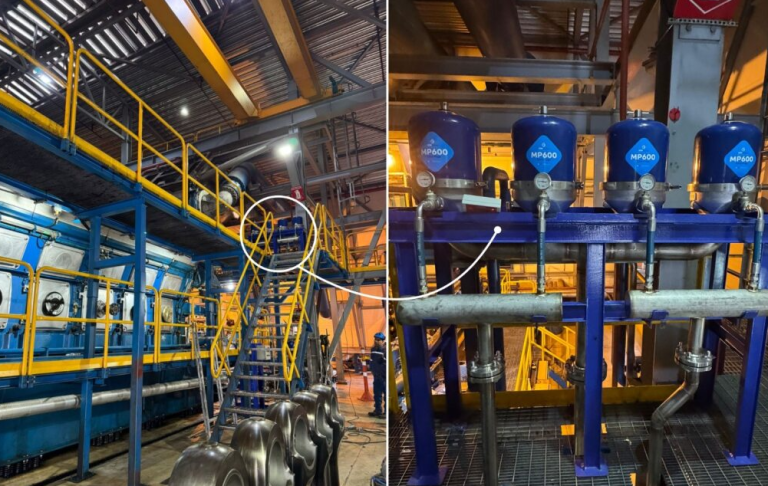
IOW Group has developed a range of pressure-driven centrifugal oil filters designed to improve contaminant separation and support reliable engine operation. The MP range of centrifugal filters, including the MP090, MP200, MP400, and MP600, incorporates patented technology to enhance centrifugal oil cleaning.
Unlike conventional bypass oil filters, IOW Group’s design includes an internal disc stack that increases the effective separation surface area. This reduces the distance contaminants must travel before separation, helping improve the removal of fine soot, sludge and other solid particles. Additional features include:
Patented disc-stack technology for improved contaminant separation
Fully sealed bowl design to help prevent cross-contamination
Distributor impeller technology designed to minimise backpressure
Remote monitoring as standard to track centrifuge RPM
No disposable fine-filter cartridges required within the centrifuge
IOW Group’s monitoring technology also helps operators identify when servicing may be required, supporting more informed maintenance decisions. With solutions suitable for marine, power generation, mining and industrial applications, IOW Group provides advanced centrifugal filtration technology for businesses looking to improve oil cleanliness.
Improve Engine Protection with a Complete Filtration Approach
Full-flow oil filters are essential for maintaining engine lubrication and protecting components against damaging particles. However, relying solely on primary filtration may leave fine contamination circulating within the oil. Combining full-flow filtration with centrifugal bypass oil filtration technology provides a more comprehensive approach to contamination control.
By continuously removing soot, sludge and other harmful particles, effective bypass filtration can help maintain cleaner lubricating oil, reduce contamination-related wear and support improved equipment reliability.